2/19, Perrin et Fils wine tasting at JW Marriot Beijing
Went to the JW Marriot with my wife Anti to attend this wine tasting and launch event from Perrin et Fils. I have no clue about the winery or family Perrin, but just looking to taste some wine from Rhone and from the famous Château de Beaucastel. The venue is a full house, thanks to probably the PR effort from local merchant or distributor.
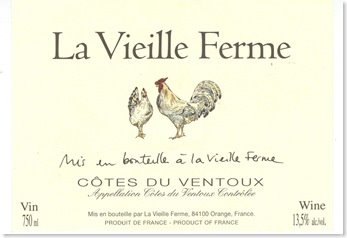
The two wines that welcome my presence is a simple White and Rose from La Vielle Ferme, not much surprise to the nose, and the palate is so (too sweet for me). Our expectation went down a bit at this moment in time. Later, we are then following the trails onto Châteauneuf-du-Pape and Gigondas, all from 2006. What a difference it makes, with subtle aroma and complexity. I have never expected the Rhone region produce the full body and particularly with good length. (We talked about this; probably we never went over the small budget to try stuff with great quality). My own tasting note on both the Châteauneuf-du-Pape and Gigondas is pretty young, so the palate can feel the tartness and tough from the grape, the impact from the Grenache is not fully utilized. Anti claimed the “plain” for both bottle and strong desire to move on.
On another table, sits the Vinsobres and Vacqueyras, also the vintage 2006. I will describe these two with more details (because these are our favorites for the night). The nose of Vinsobres “Les Cornnuds” is the aroma of bouquets, spices flavor, black fruits/berries, and the smell of “on the way to mature”. Palate reveals the “smoothness” described as velvet by Anti, and not so much of the black fruit, but more cherry (at its age now), but the length is great. The sweetness start attacking the tongue after the sip and you start to crave to come back for more. Excellent wine made from the Perrin (after I check their web site later knowing the organic mindset). My favorite for the night goes to Vacqueyras, “Les Christins”. The nose reveals a more expressive aroma than Vinsobres. Strong black current and more explicit spice (licorices), minerals (Anti didn’t agree). I can feel the ripe fruit (some Syraz like from Barossa I tasted before), but felt the blending with something else (maybe Grenache). The palate gives more expressions, some smokiness but yet the tannic is “hidden” by the plumes and concentration of aroma. I can feel Grenache (the sweetness) presence, and the smoothness given by some of the malolatic processed wines. Length of Vacqueyras is also good, I can imagine the wine goes very well with food that demands the strength (like beef, wild mushroom), while for Vinsobres, a light meal or more delegacy is required.
We tried the last two Red for the evenings, including La Vielle Ferme Red and Perrin Reserve (from Cotes du Rhone). Both exceeds my expectation (and change our impression about south Rhone). These are easy to drink, (Cotes du Rhone do need some meal to go with to maximize the benefit), low tannins, low to medium acidity but balanced with full body of aroma, spices behind. For a daily or table wine, these two will definitely stayed at the table not for long, so prepare extra bottles if you plan to use them for group meals. La Vielle Ferme Red can also drink along with little (or no) snack (I fill up my cup three times before leaving the venue). What a wonderful night to taste some good example from south of Rhone, we are building our expectation and ready to dig into more treasures from south Rhone at other occasions.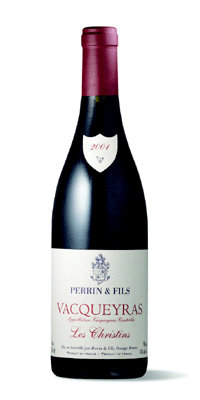
月前的周四晚上和老婆一起参加了一个法国南隆河酒区的品酒会,本地代理宣传得当,去的人还蛮多的。酒商是Perrin et Fils, 以前没听过 (后来得知是隆河一带著名的酒庄),我是慕名(Château de Beaucastel)而来,期待能喝到他们的酒。Château de Beaucastel 在漫画(神之水滴)及帕克书上有很高的评价。之前(五,六年前)对隆河印象不是太好,胖胖的瓶身,味道偏淡,缺了浓浓的葡萄汁的感觉。
刚才进门迎接我两的是酒瓶上画着可爱公鸡标志的干白和粉红。粉红(Rose)一般吧,我期待更多的香味(aroma)。干白(Dry White)清新,比我喝过的 Sauvignon Blanc 要来的淡,回味短,需要配合食物。品酒会提供不错的机会,我俩拿着酒册一一品尝去了。
先试了Gigondas 和Chateaunerf du Pape,2006,颜色红润,但可明显得知是新酒,鼻子的表现也一般,香草,酒精味浓,随手抓了一点小点,火腿并未更出色。我觉得他们都需要在过个几年才适合饮用,现在可能急了些。
闲逛了一会而,在另一个桌上摆着另两瓶红酒,分别是Vinsobres 和 Vacqueyras产区的干红。相比之前的几款,这俩瓶的表现相对要好得多,鼻子得到香草,胡椒,矿物(老婆没觉得),黑加轮,对Vinsobres 有干草的气味。入口味蕾表现也让我们惊艳,舌后果甜,烟熏和平衡的单宁,带来柔顺的口感。Vacqueyras配和食物应以烧烤肉类为佳。Vinsobres是属与比较隐形可以考虑口味较不强烈的,像煎小牛里脊。我们觉得这俩瓶酒是当晚的亮点。
当天晚上我们还尝试了南隆河的另两瓶较大产区的干红(Cote de Rhone),他们都远超过了我原先的期待。单宁柔和,果香迷人,非常容易入口,就是开瓶便能和一群好友一起享用,便宜又好喝的餐酒,看来我对隆河红酒的确得刮目相看了。
 >
>