风舞:Palmer宝马之夜-9个年份的豪华盛宴
作为神之水滴十二使徒之一的宝马庄,在1855年波尔多分级中仅为三级庄。价格却总是超越SUPER二级庄如pichon lalande,montrose, pichon baron,2009年的期酒价格更是超越了雄狮庄,爱仕图尔等。
可是对它的评价却是褒贬不一,喜欢玛歌的,便会爱上其优雅;喝惯拉图,靓次伯的却嫌它“轻淡”。我们这一帮酒友当然也是各有各的想法,骆兄一向不喜欢宝马和金钟,而且觉得价钱太过昂贵,名不符实,对其评价言辞之激烈自然让宝马拥护的弟兄们大呼不爽。于是林兄提议了这次的宝马晚宴:9位酒友各带不同攴軵ALMER,在新加坡最出名的粤菜馆御宝(IMPERIAL TREASURE,不收开瓶费,待酒服务绝对一流),大有挺宝马倒宝马决一雌雄之架势。
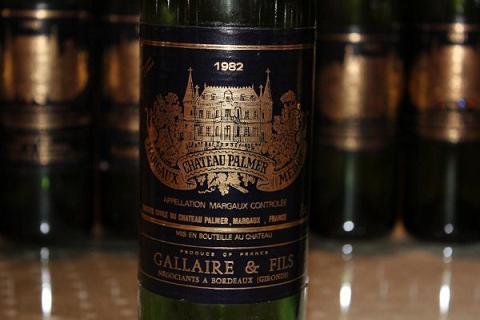
1982:通常来说对于玛歌产区,此年份远不如普依克有力,当晚的表现一开始有点木塞的湿气,隐现李子莓类的果香,随后第二层出现了迷人的黑松露味,口感优雅,温和,极其顺滑。
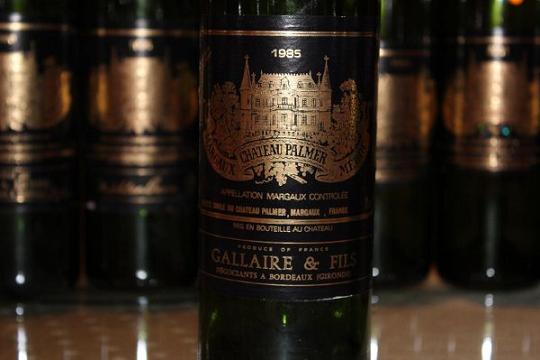
1985:经典宝马香气,黑莓果香,均衡,丹宁细腻,极尽优雅,回味中有点淡淡的甜。
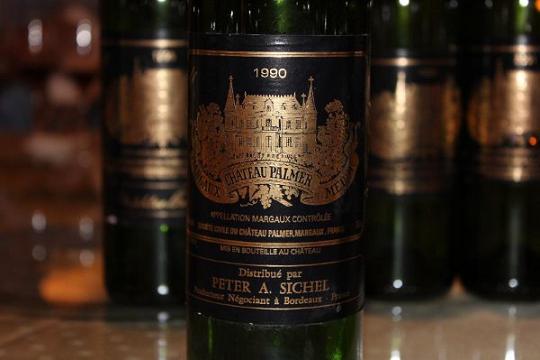
1990:草莓,黑莓果味馥郁,丹宁和酸度非常均衡,回味有果味
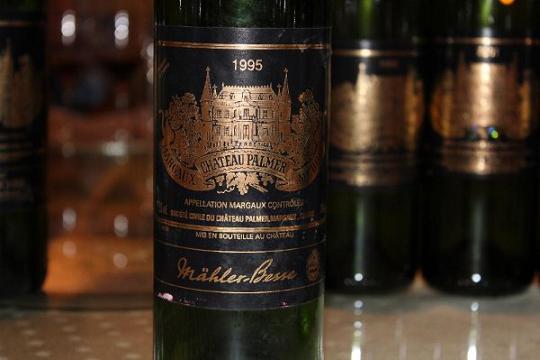
1995:色泽深红,香气还很封闭,果香不明显,随着时间推移李子,黑加仑子,蓝品子味,黑松露才慢慢开始散发出来,品味很有层次感,单宁的后劲也很足
1996: 浓郁的黑松露,黑橄榄伴随着烤肉的香气扑鼻而来,均衡度极佳,单宁优雅圆滑,回味优长,需要更多时间陈年
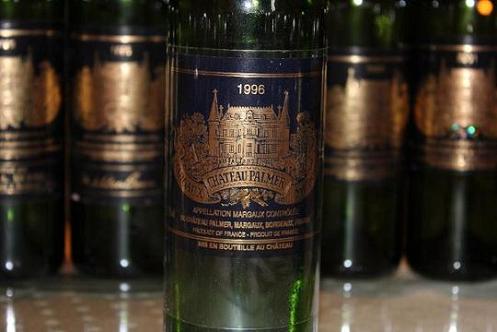
1999:闻香非常成熟水果味,偏甜,性感迷人,可是作为神之水滴中十二使徒之一,表现并不尽如人意:皆因其酸度不够,平衡也不够完美。
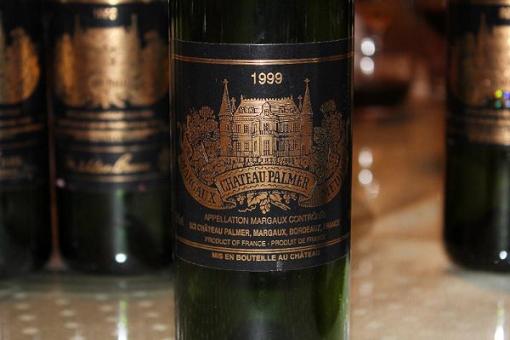
2001年:肉桂,丁香,雪松的香气,单宁结实,层次感强,收结优长。
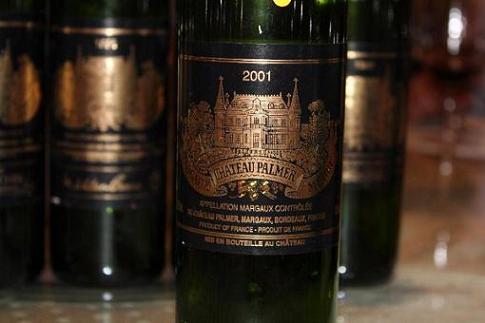
2002:初闻名显橡朩香气,接着而来的是黑加仑子,李子,甚至有些甘草的味道,强劲的单宁和均衡的酸度,让人觉得现在喝了可惜,不然其陈年能力一定不容小觑。
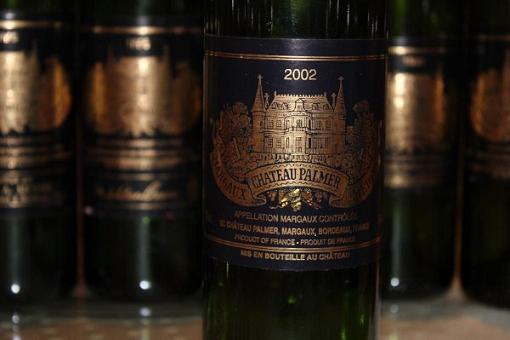
黑莓李子果浓郁,松露,花香也隐现,力量和优雅的完美结合,潜力很强
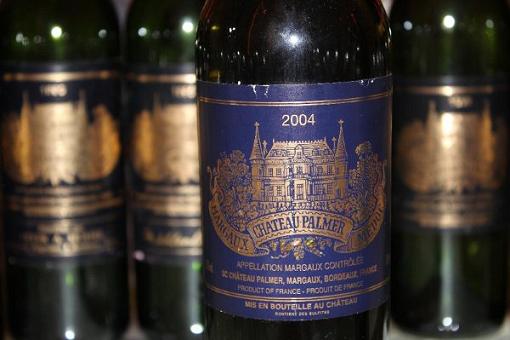
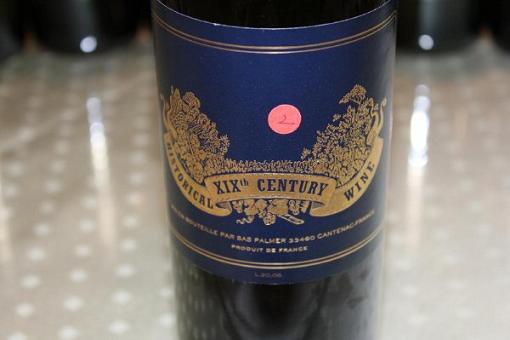
最后的惊喜来自于神秘嘉宾DR NK YONG,他是新加坡帕克级人物,和宝马庄有着很深的渊源。他还带来了特别款2004宝马,其中加入了15%的西拉子,据说这在二百年前宝马酒的酿造中也是曾经出现过的。
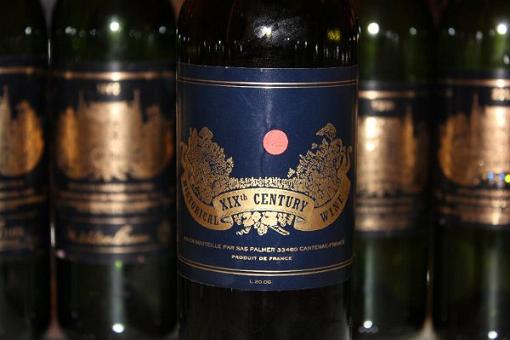
闻香觉得充满着澳洲优质西拉子的味道,浓浓的香草伴随着成熟果香,很难想像这居然是波尔多的作品。虽然让大家有点无法习惯,但也算是开了眼届。
看看所有的宝马吧!
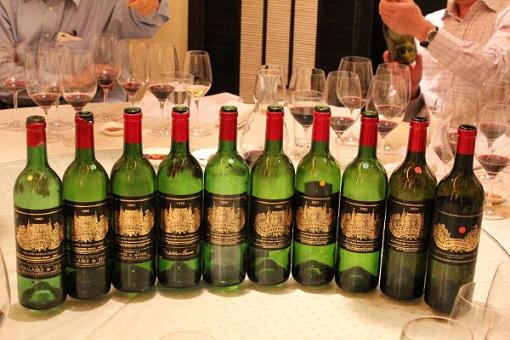
喝了9个不同年份的宝马外加特别西拉子版的宝马,1985,1995,2002,2004的得票最高,(2002,2004对于波尔多其它的产区可算不上好年份)不过1985 以其“经典”的宝马口味成为明星也是众望所归。
可是这争论还是在继续,喝了这么多,挺马派还是没能让倒马派妥协,毕竟这口味的事不是一朝一夕能改变的。
另记:最近一位朋友在金沙赌场内的餐厅点了2001的木桐,2005的拔富GRANGE,1996的拉图及1978的宝玛,对其它的酒的都加赞许,唯有这宝玛,却是叫来了侍酒师,按说这酒可是EX-CHATEAU,2010才从宝马的酒窑出来,酒品应该是得到了保证,最后硬是被朋友退了回去。我有幸在两天后品尝到了这瓶被“下课”的1978的宝马,意外地发现开瓶两天后了它不仅没有OFF,反而有着淡淡的水果香,回味中有些许甜,优雅可人。
附:
在新加坡报纸: Business Times - 16 Jul 2010发表的关于这次宝马之夜的文章:
WINE
When grace and elegance equal power
By N K YONG
I WAS recently privileged to be a guest at one of the monthly dinners of a group who now call themselves the 'Imperial Treasure Club', for obvious reasons.
The theme for that dinner was Chateau Palmer from the current and past two decades. The impressive final line-up consisted of three flights: first flight of 1982, 1995 and 2001; second flight of 1996, 1985 and 2002; and third flight of 1999, 1990 and 2001. I brought along a curiosity recently produced at the Chateau - a reprise of the 19th century style of Palmer which then was regularly laced with a wine, usually Syrah, to give it more 'body'. This cuvee carries the historical Palmer label and is called 'Historical XIXth Century Wine'.
Chateau Palmer, as most Bordeaux lovers now know, was the 'creation' of an English soldier, Major- General Charles Palmer, who created it around the originally-named Chateau Bosq in the early 19th century. For completeness, the Chateau today is the property of two negociant families: the Mahler-Besse and the Sichel families.
Chateau Palmer is in the commune of Margaux and remains in its original classification of Third Growth (Troisieme cru) in the 1855 Bordeaux Classification, despite the fact that both in terms of quality - and, more importantly, in the price which it commands today - it performs consistently higher (quality-wise and price-wise) than the Second Growths. The estate is today managed by Thomas Douroux, director and wine-maker, and Bernard de Laage de Meaux, the export director.
Total production is in the vicinity of 250,000 bottles and there is a second wine, Alter Ego, which both Thomas and Bernard are anxious to point out is another wine - not a second label.
The character of Palmer is very much Margaux. The cepage of more or less equal proportions, 47 per cent each, of Cabernet Sauvignon and Merlot, with Petit Verdot making up the remaining 6 per cent, and the soil mostly of gravel and clay, are dominant factors in Palmer's personality. What is Margaux's character? It is not so easy to define in words. It is best defined by sitting down over a period of three hours, over a delicious Chinese dinner, and going through 10 different vintages of Chateau Palmer - immersion technique.
The first thing that stands out is the bouquet. This is not as easy to describe
as it is to recognise it when you smell it. It's perhaps best to define it by describing what it is not: it is not powerful or intense; it is not a full-bodied, strong or very ripe fruit bouquet.
The first thing I notice is that it is gentle, almost shy. It is soft and gentle, has warmth about it and reminds me of cedar wood, ripe sweet blackcurrant fruit. And it lingers and becomes reinforced as one takes the first mouthful and the aroma wafts into the roof of the mouth and rises into the rear nasal passages. Then the taste with the first mouthful is of a soft, medium-bodied almost delicate wine, which gives a gentle and delicious mouth-feel, the character varying with the quality of the vintage.
Above all, the impression is one of a rather discreet, genteel and well- bred personality; no brute force, no intense piercing tannin and acid, no shocks.
It is neither a style nor personality which impresses at first. It takes some acquaintance, repeated encounters, patience and the willingness to learn. It is
unlike a wine like Chateau Latour, for instance; that wine grabs you by the shoulders and shakes you. Palmer does not.
I guess that explains why in the 19th century it was blended with a healthy dose of Syrah. This was well exemplified in the Historical XIXth Century wine which we tasted at the end. This wine is a blend of 20 per cent Syrah and 80 per cent Palmer 2006.
It was very different from the preceding nine vintages of Palmer. Very much darker, more intense bouquet, quite peppery, bigger body and thicker on the palate. It served to emphasise sharply the real personality of Palmer.
TASTING NOTES
CHATEAU PALMER,
Troisieme Cru, Margaux
(in the order it was tasted)
1982
Very dark colour, brown- red mahogany; gentle refined bouquet, cedar cigar- box
and ripe cassis. A soft wine, gentle on the palate, quite sweet, medium length.
Fully developed, holding but needs drinking up.
1995
Very dark red, browning already. Very fine cedary cassis bouquet. Very good taste, great mouth feel, complex wine, vibrant and fresh, great long finish.
2001
Red mahogany colour, very dark. Strong lovely sweet nose of ripe fruit and
cedar; very good ripeness, very lively, and nicely balanced. A great future.
1996
Quite brown, medium hue, lovely bouquet, very cassis character. Very fine
refined wine, great freshness and length. Ready.
1985
A classic. Deep amber-red, rich ripe almost sensuous nose with hints of
mushrooms giving away its age - a quarter of a century! Very elegant, refined,
very complex and very long. This is quintessential Palmer.
2002
A year that was much maligned and which saw the biggest reductions in en
primeur prices in the past two decades. But a vintage which in the ensuing
years has surprised everyone, the wines turning out to be good to very good,
and commanding healthy increases in price.
Medium red, with touch of brown, characteristic Palmer bouquet, a bit light.
Quite good ripe fruit on the palate, Palmer style, but a little light. Good,
not great.
1999
As the English would say, a 'useful' vintage - meaning a nice drinking vintage,
without any great aspirations, good for restaurants and non-celebratory
dinners.
Turned out to be exactly that. Good nice drinking, enjoyable, but not enough
concentration and density. Verdict: light.
1990
The third of the great trilogy of vintages which ended the decade of the
Eighties.
Very dark red with brown tints, a nose much fuller and lusher than any of the
preceding vintages. Very much what one would expect of a 1990, very ripe,
medium-full bodied, fills the mouth, very ripe and lush. Finish a little dry.
Fully mature, holding very well. No hurry to drink up!
2004
The youngest Palmer on show this tasting. Very dark red, sweet cassis fruit and
cedary bouquet. Youthful on the palate, vibrant, very ripe, great freshness and
minerality. A youthful wine, very attractive in its vibrancy and ripeness. Will
go on for another two decades with ease.